


Qual è la differenza tra un perno e una guida?
2024-12-02 12:10In modern buildings, partition walls are an integral part of the spatial layout, providing privacy, sound insulation, fire prevention and other functions. The structure of the drywall is mainly composed of metal keels, of which the most common components are track and stud.
These two components are often used together, although their shape and function are different, but in the structure of the drywall each plays an irreplaceable role. So, what's the difference between Track and Stud? and how are they produced by stud and track roll forming machines? Let's explore.
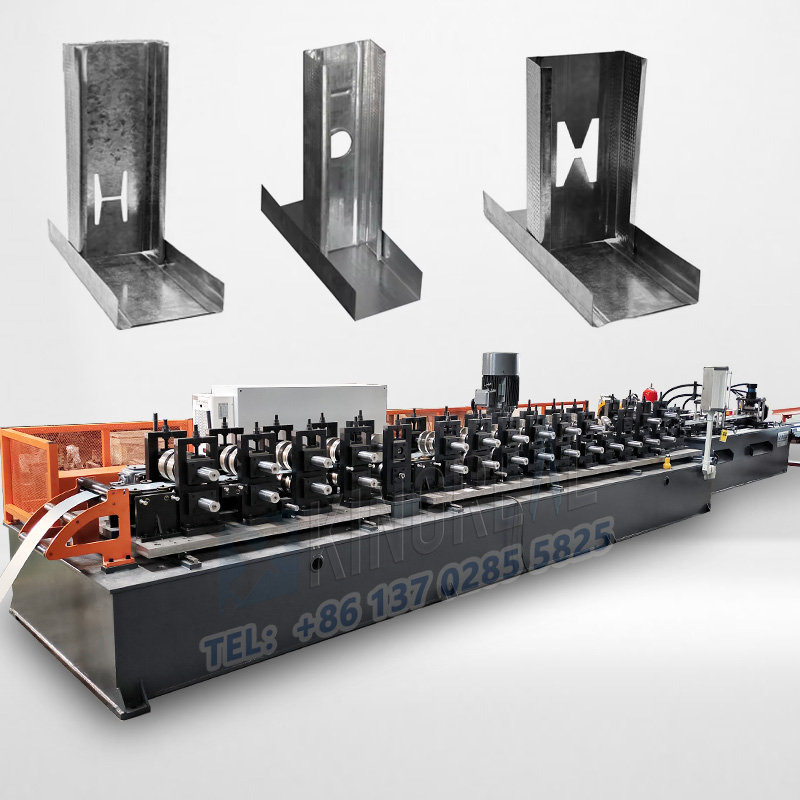
Introduction to Metal Stud and Track
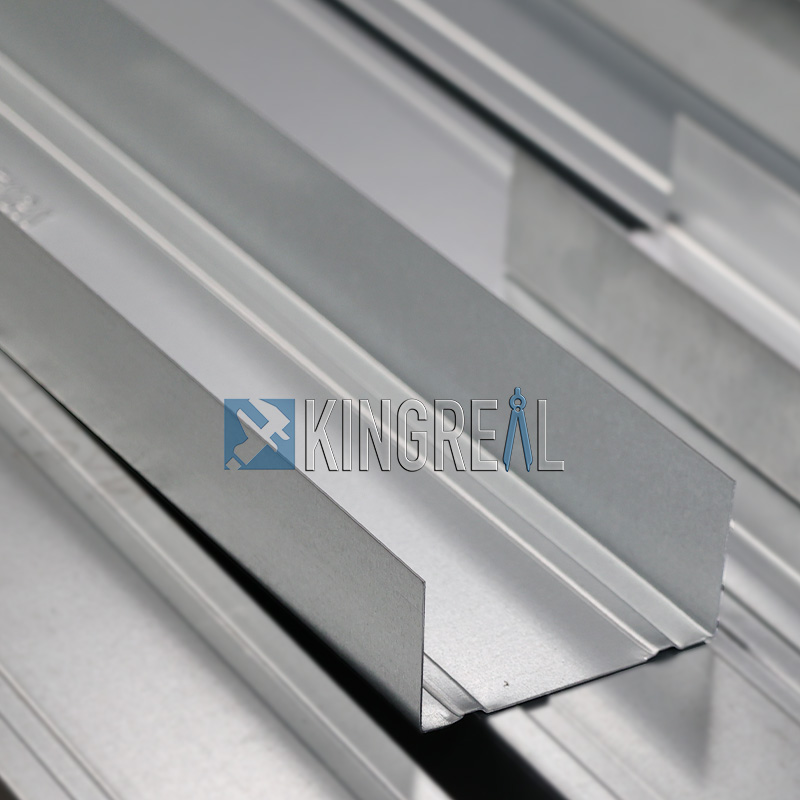
What is Track?
The Track is a horizontal component in the partition keel system that is installed at the bottom and top of the drywall. Its main function is to provide a fixed base for the stud. The track is usually a u - or c-shaped metal frame that is used to secure the stud to both ends of the wall, ensuring the stability and firmness of the partition. It provides the structural framework for the wall and ensures that the wall does not shift in the vertical direction.
Features of Track
1. Horizontal position: Track is usually installed on the ground and ceiling and extends along the length of the wall to form the supporting frame of the drywall.
2. Fixing function: Track is responsible for fixing the vertical Stud and playing the role of support and connection.
3. Simple structure: The design of Track is relatively simple, usually U-shaped or C-shaped, to ensure that the column can be firmly embedded and fixed.
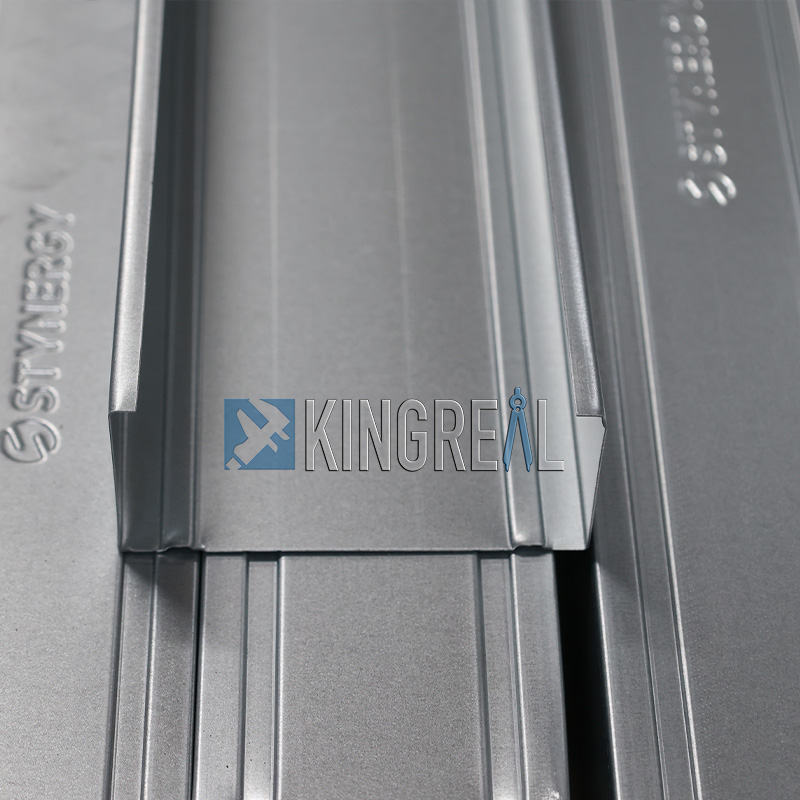
What is Stud?
Stud are vertical components in the drywall system that sit between the tracks and carry and support the vertical structure of the wall. They are usually arranged at a certain spacing (for example, 400mm or 600mm) to support the weight of the wall and provide foundation support for other decorative or installation facilities. Stud is the main part of the drywall, usually made of metal material, with high strength and durability.
Features of Stud
1. Vertical mounting:The Stud is mounted between the tracks, vertically arranged, and takes the load of the wall.
2. Load-bearing action: Stud is responsible for supporting the weight of walls, especially exterior walls or walls with other devices.
3. Diversity: Stud is usually C-shaped or U-shaped, and the size and thickness can be customized according to needs.
Main Differences Between Track and Stud
1. Position and direction - Track: It is installed on the top and bottom of the wall and is a horizontal component. - Stud: Installed between tracks and is a vertical component.
2. Function and effect - Track: Mainly plays a fixed and supporting role, providing a mounting base for Stud. - Stud: Responsible for supporting the weight of the wall and providing installation locations for other facilities.
3. Shape and design - Track: This is usually a U or C shape for easy insertion and fixation of the Stud. - Prigioniero: Solitamente a forma di C o di U, progettato per privilegiare la capacità portante e la stabilità.
4. Metodo di installazione - Binario: Installare prima a terra e a soffitto, quindi inserire il perno per il fissaggio. - Perno: Installato verticalmente tra i binari secondo i requisiti di progettazione.
5. Materiali e specifiche - Binari e montanti: I materiali metallici, come l'acciaio zincato, sono generalmente utilizzati per garantire resistenza e resistenza alla corrosione. Le specifiche e le dimensioni sono personalizzate per soddisfare le diverse esigenze costruttive. | 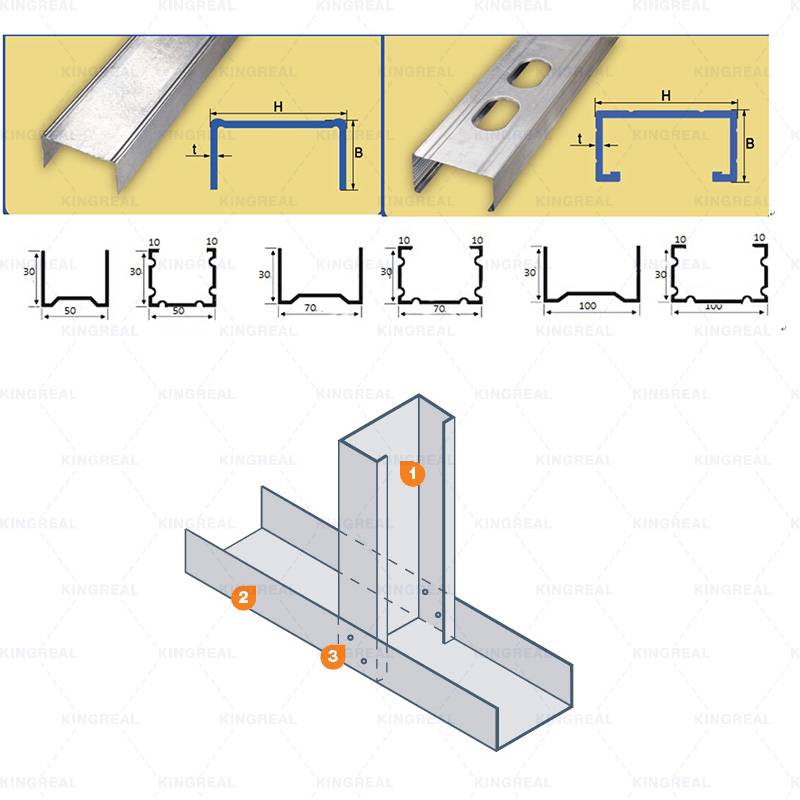 |
Fattori da considerare nella scelta di binari e borchie
1
Requisiti dei cuscinetti a parete
Per le pareti che devono sopportare carichi maggiori, è necessario selezionare montanti più spessi e resistenti, e le specifiche del binario devono essere aumentate di conseguenza.
2
Requisiti di isolamento antincendio e acustico
Laddove sono richiesti un elevato isolamento acustico e un'ottima resistenza al fuoco, è particolarmente importante scegliere il materiale e lo spessore adeguati.
3
Ambiente di costruzione
In ambienti umidi o corrosivi, i sistemi di binari e montanti realizzati con materiali resistenti alla corrosione, come l'acciaio zincato, possono prolungare significativamente la loro durata.
4
Efficienza e costi di produzione
Nel caso di progetti di costruzione su larga scala, l'utilizzo di una macchina profilatrice per montanti e binari può migliorare significativamente l'efficienza produttiva, ridurre i costi di manodopera e gli sprechi di materiale.
Descrizione della macchina profilatrice per borchie e binari
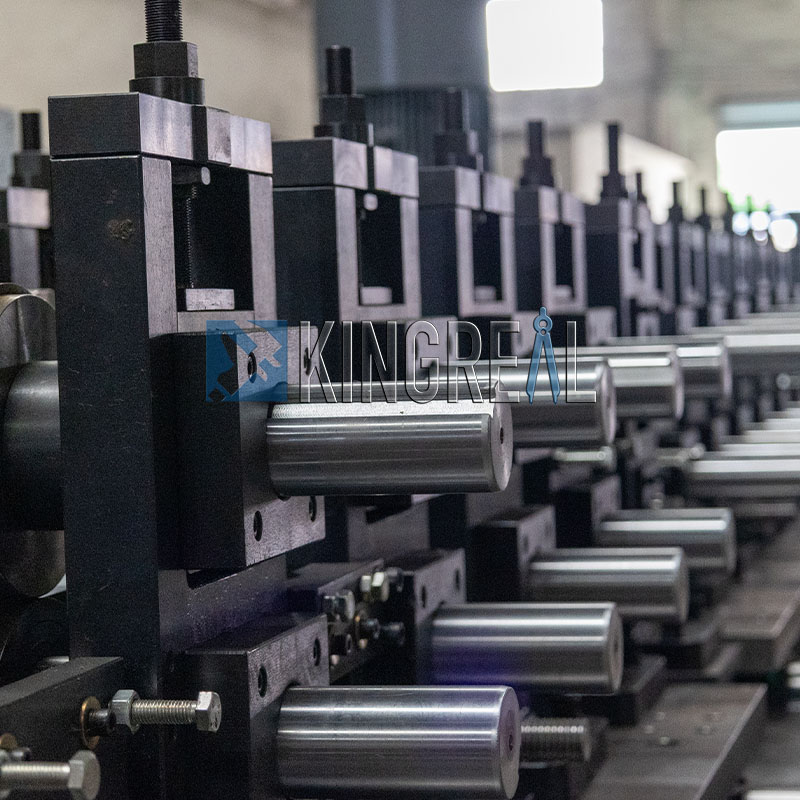
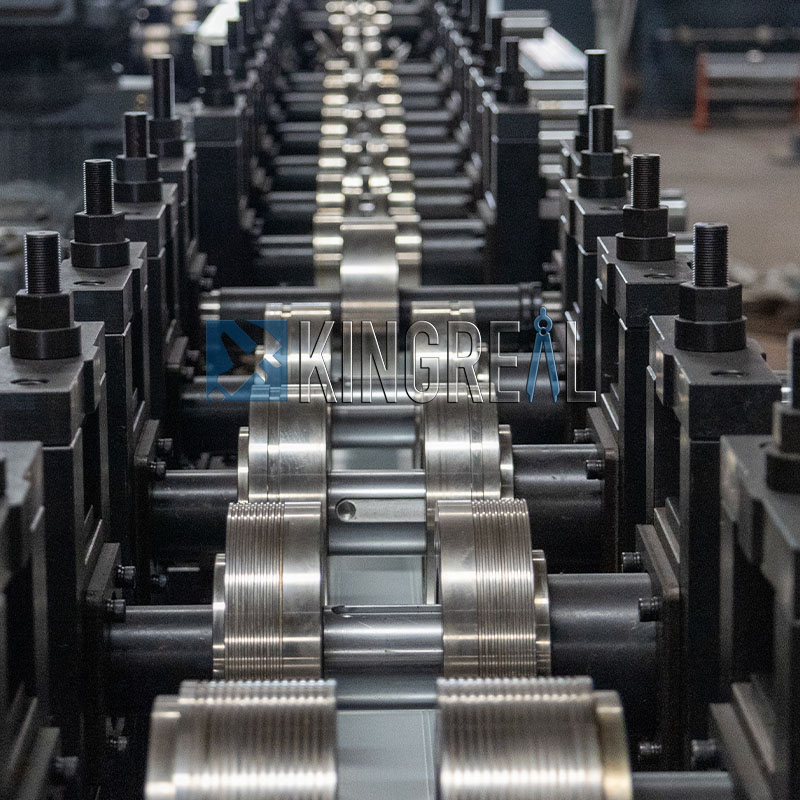
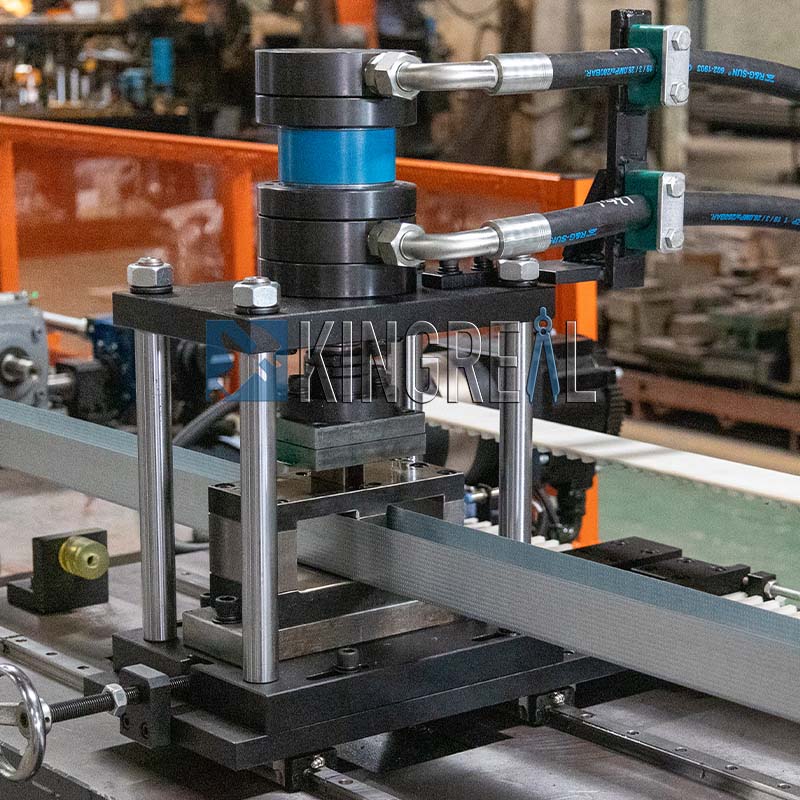
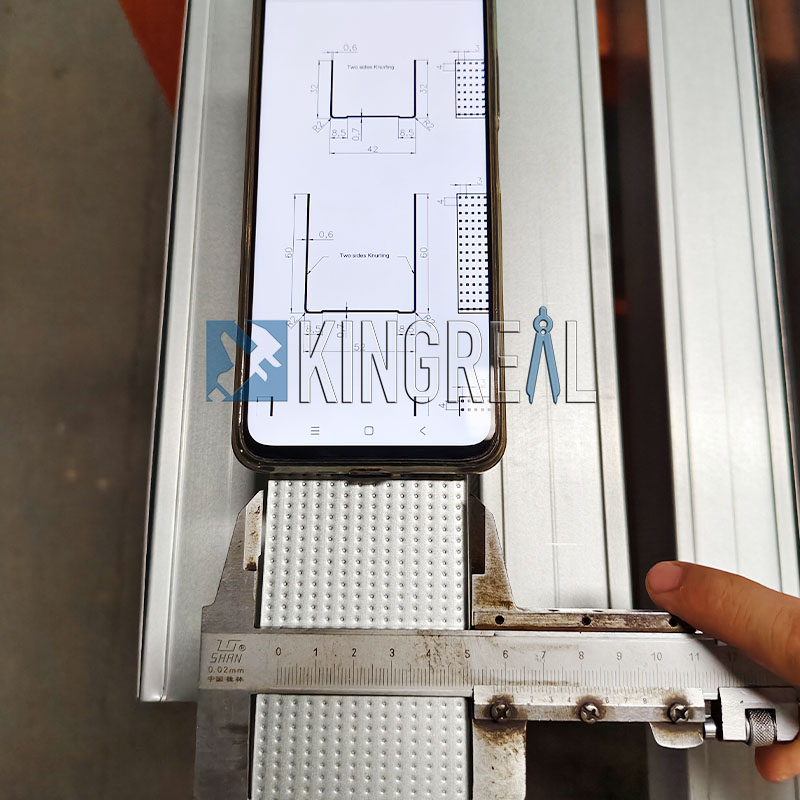
Macchina profilatrice per prigionieri e binariSi tratta di una macchina automatizzata che trasforma in modo efficiente lamiere metalliche in binari e profilati. Grazie a questa apparecchiatura, è possibile produrre componenti che soddisfano i requisiti di progettazione su larga scala e con elevata precisione. Tale apparecchiatura svolge un ruolo fondamentale nel migliorare l'efficienza produttiva, ridurre i costi e garantire la qualità del prodotto.
Vantaggi diMacchina per chiodi e binari
1. Produzione efficiente: questa attrezzatura può produrre continuamente grandi quantità di binari e borchie, migliorando notevolmente l'efficienza produttiva.
2. Elevata precisione: grazie al funzionamento automatizzato, le guide e i perni prodotti sono precisi nelle dimensioni e soddisfano gli standard del settore, garantendo una qualità costante.
3. Forte flessibilità: lamacchina profilatrice per canali in gessoSolitamente è possibile regolare le specifiche e le forme del sistema binario e montante in base alle esigenze, adattandolo ai requisiti di diversi progetti di costruzione.
4. Risparmio di materiali: grazie al preciso processo di taglio e stampaggio, è possibile ridurre efficacemente lo spreco di materie prime e migliorare l'utilizzo delle risorse.
Riassumere
Il binario e il montante sono i due componenti chiave del sistema di cartongesso, che sopportano rispettivamente il supporto orizzontale e il carico verticale della parete. AttraversoMacchine per la profilatura di prigionieri e binariI produttori sono in grado di realizzare questi componenti metallici in modo efficiente e preciso, garantendo la qualità e la stabilità del cartongesso. Nella fase di costruzione, la scelta del sistema di binari e montanti più adatto, unita ad attrezzature di produzione all'avanguardia, non solo migliora l'efficienza costruttiva, ma soddisfa anche i requisiti funzionali ed estetici dei diversi progetti edilizi.