

Linea di perforazione della lamiera
KINGREAL si impegna a fornire ai propri clienti soluzioni di produzione di linee di perforazione per lamiere della migliore qualità, avvalendosi di tecnologie avanzate e di una vasta esperienza. L'obiettivo è soddisfare la crescente domanda del mercato di prodotti perforati di alta qualità e precisione.
- KINGREAL
- informazione
- Scarica
Video sulla macchina per la perforazione della lamiera
Definizione della linea di perforazione della lamiera
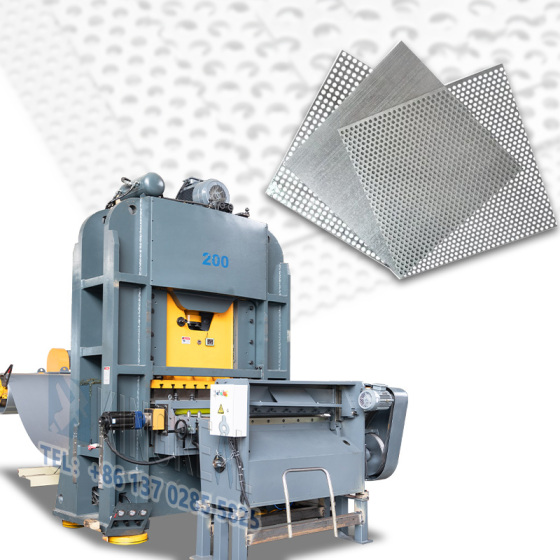
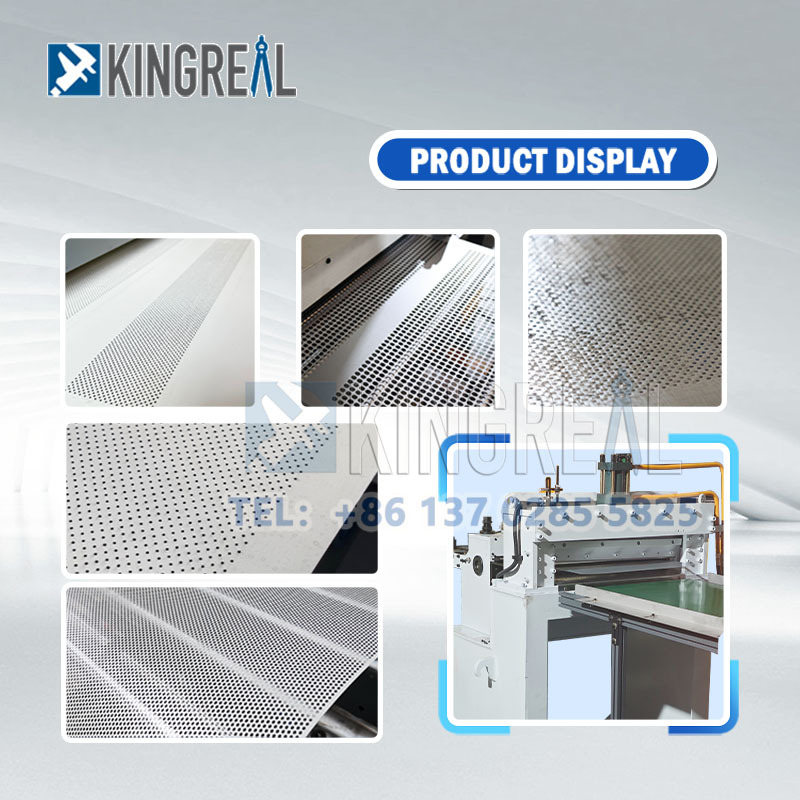
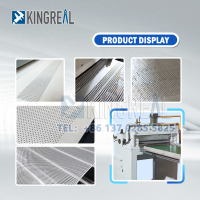
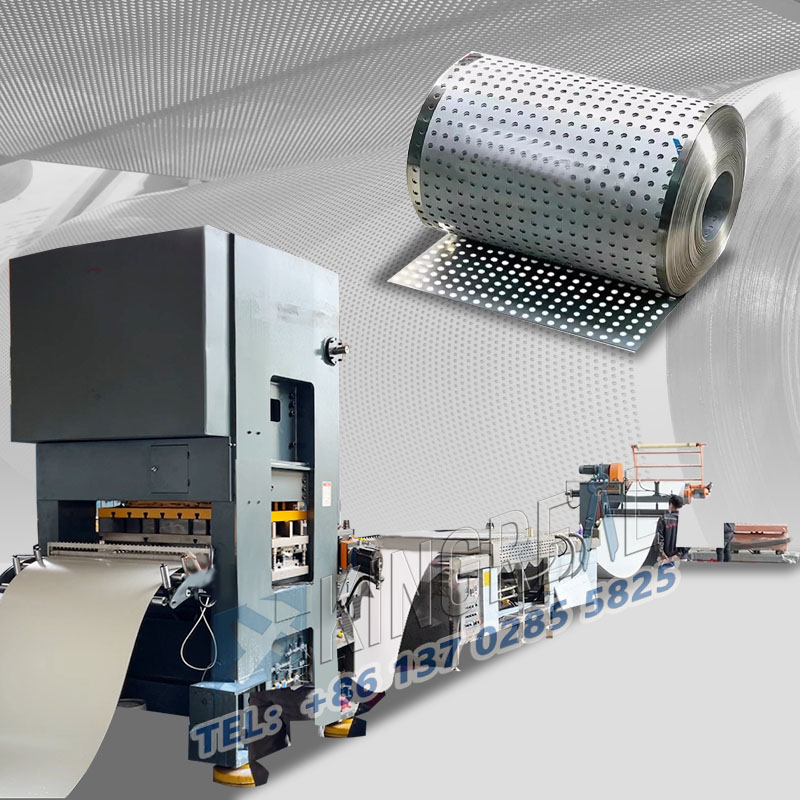
KINGREAL fornisce macchine per la lavorazione di metalli perforati in base alle esigenze specifiche del cliente. KINGREAL offre linee di perforazione per lamiere adatte a diverse forme di perforazione, spessori, materiali, ecc., e si impegna a fornire ai clienti le migliori soluzioni per la lavorazione di lamiere perforate. Utilizzando le macchine per la lavorazione di metalli perforati di KINGREAL, i clienti possono ulteriormente lavorare e produrre una varietà di prodotti come pannelli murali perforati, elementi filtranti perforati, schermi perforati, silenziatori perforati, vassoi per pannelli perforati, soffitti perforati, ecc., per soddisfare le esigenze di diversi settori.
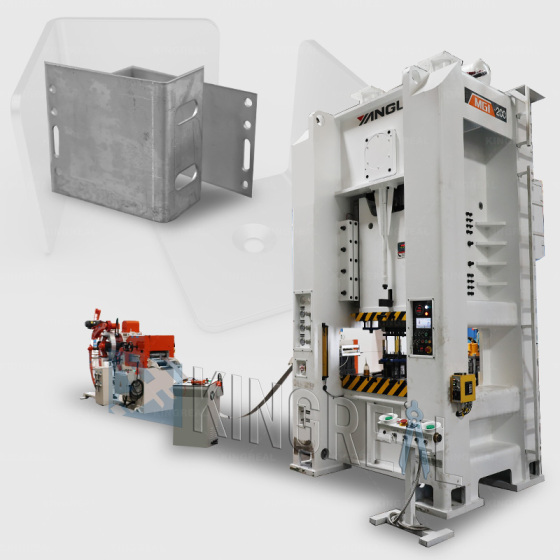
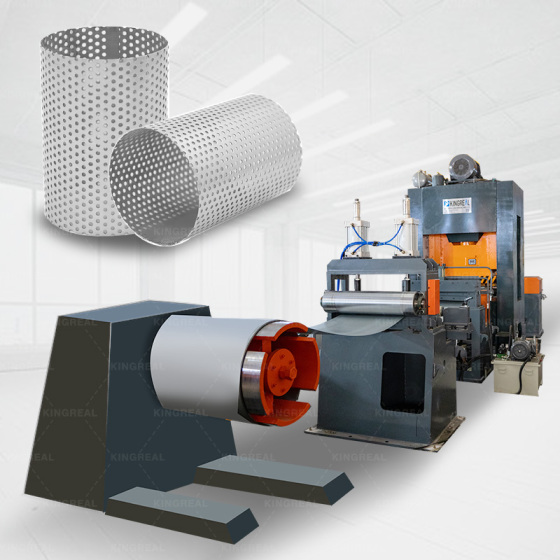
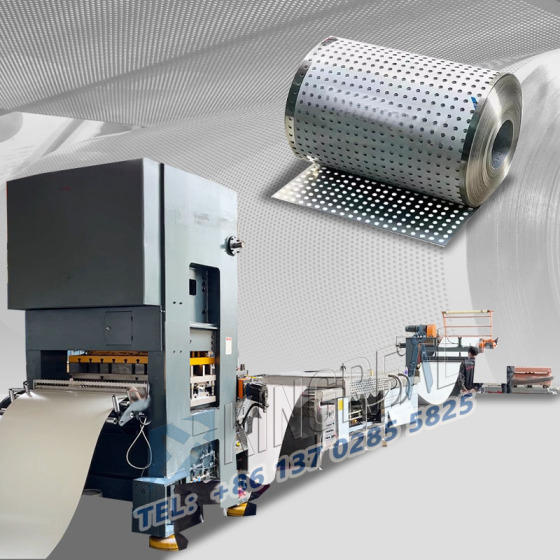
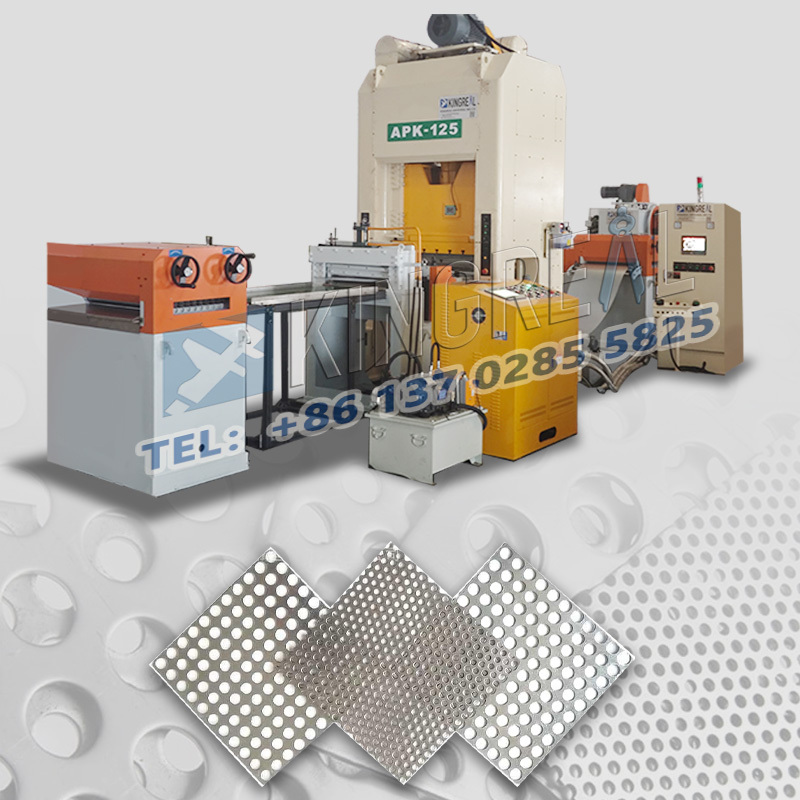
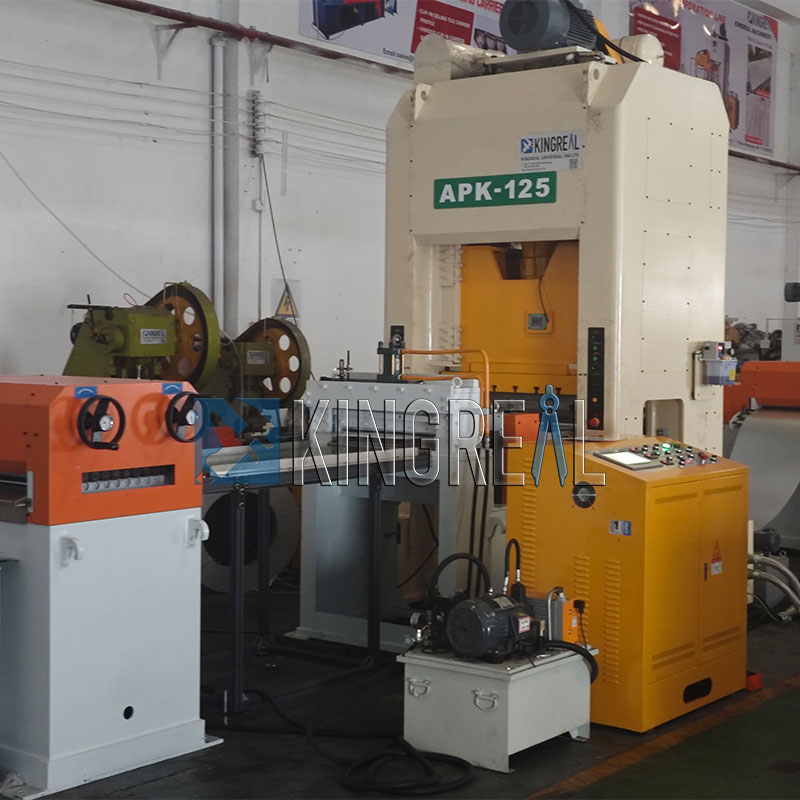
Per soddisfare al meglio le esigenze del mercato, le linee di perforazione per bobine KINGREAL sono suddivise in tre tipologie principali: linee di punzonatura per soffitti metallici, linee di perforazione da bobina a bobina e linee di perforazione per lamiere.
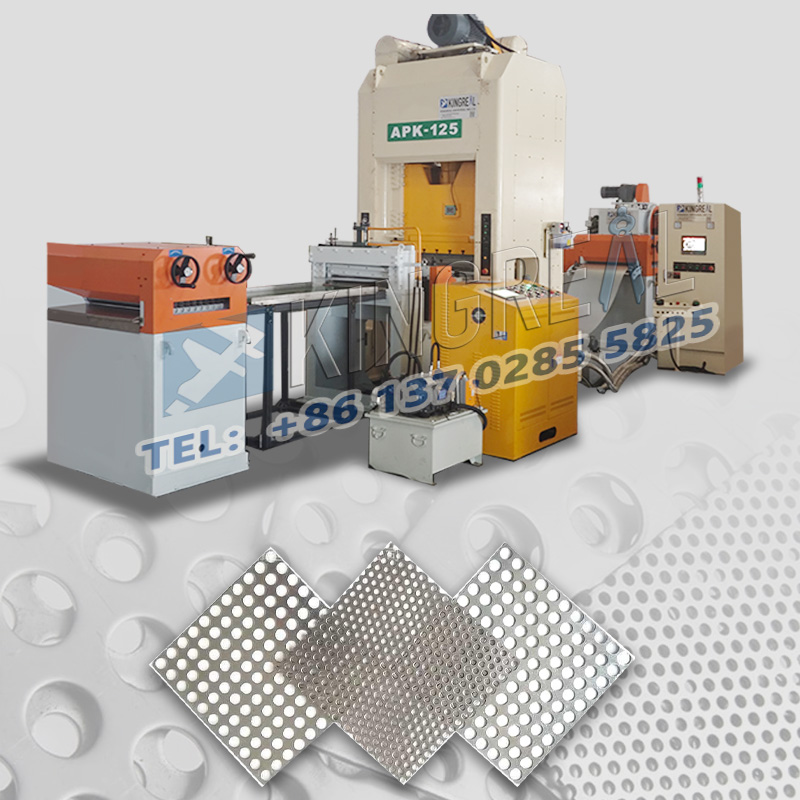
Vantaggi delle linee di perforazione a bobina KINGREAL
(1) Facile da usare
Le linee di perforazione a bobina KINGREAL sono progettate per essere intuitive, dotate di un pannello di controllo semplice e di un sistema software avanzato. Questa progettazione consente agli operatori di padroneggiare facilmente il flusso di lavoro durante l'utilizzo della macchina per la perforazione di metalli, riducendo notevolmente i tempi di formazione e la difficoltà operativa. Anche i principianti possono familiarizzare con le diverse funzioni della linea di perforazione a bobina e controllarle completamente in breve tempo dopo un semplice addestramento.
(2) Configurazione flessibile
La perforatrice per metalli KINGREAL offre una grande flessibilità di configurazione, in grado di soddisfare le esigenze personalizzate di diversi clienti. KINGREAL propone una varietà di livelli di velocità e design degli utensili di punzonatura, consentendo ai clienti di scegliere corse di punzonatura più veloci o più lente in base alle effettive esigenze di produzione. Questa flessibilità non solo migliora l'efficienza produttiva, ma permette anche alla linea di perforazione di bobine di adattarsi alle esigenze di lavorazione di diversi materiali, come lamiere di metallo di diverso spessore e durezza. I clienti possono scegliere la configurazione più adatta in base al proprio budget e al piano di produzione per ottenere il miglior rapporto qualità-prezzo.
(3) Capacità produttiva efficiente
La macchina per la perforazione di metalli KINGREAL adotta una tecnologia di produzione avanzata, combinata con processi produttivi efficienti, per garantire la massima efficienza in ogni fase del processo, riducendo così i costi operativi complessivi. La linea di perforazione di bobine KINGREAL è in grado di completare un elevato numero di operazioni di perforazione in tempi brevi, migliorando notevolmente l'efficienza produttiva dei clienti.
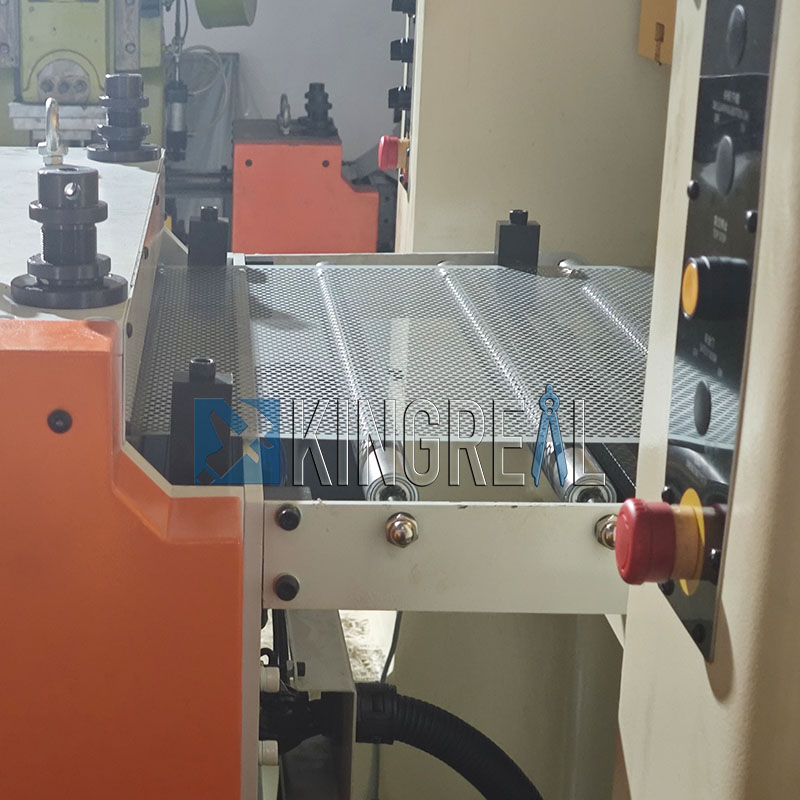
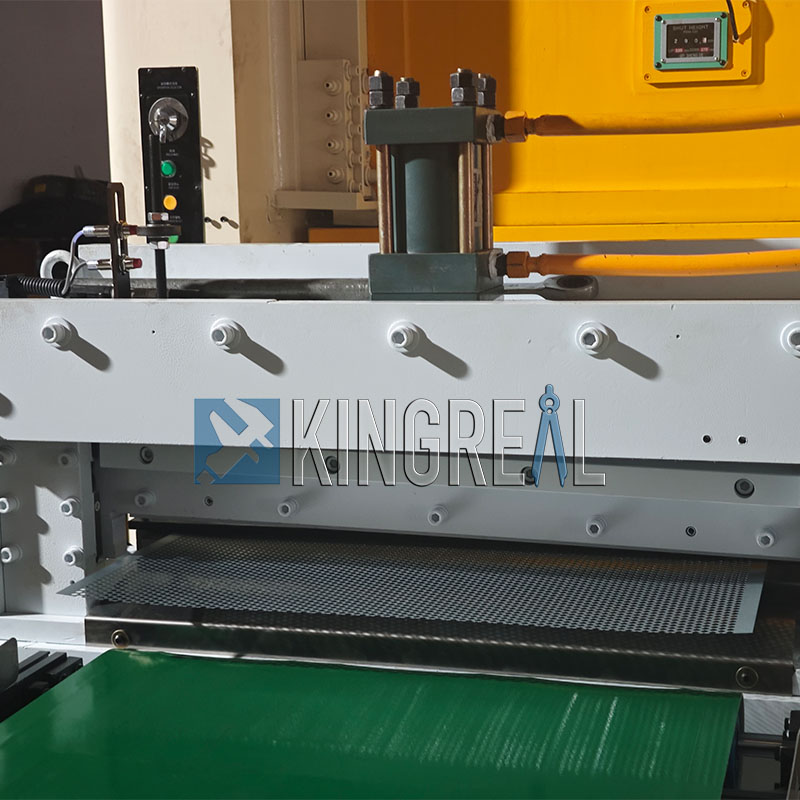
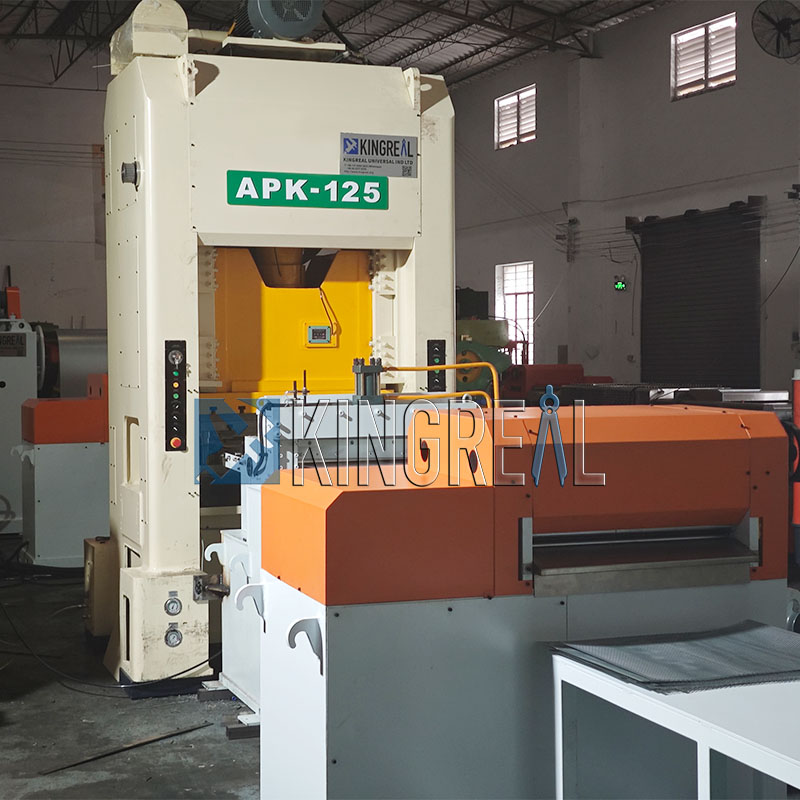
Linee di perforazione della bobina con diverse configurazioni
Oltre allinea di perforazione del soffitto metallicoKINGREAL ha inoltre progettato una linea di perforazione da bobina a bobina e una linea di perforazione per lamiere, in base ai diversi processi di punzonatura.
| 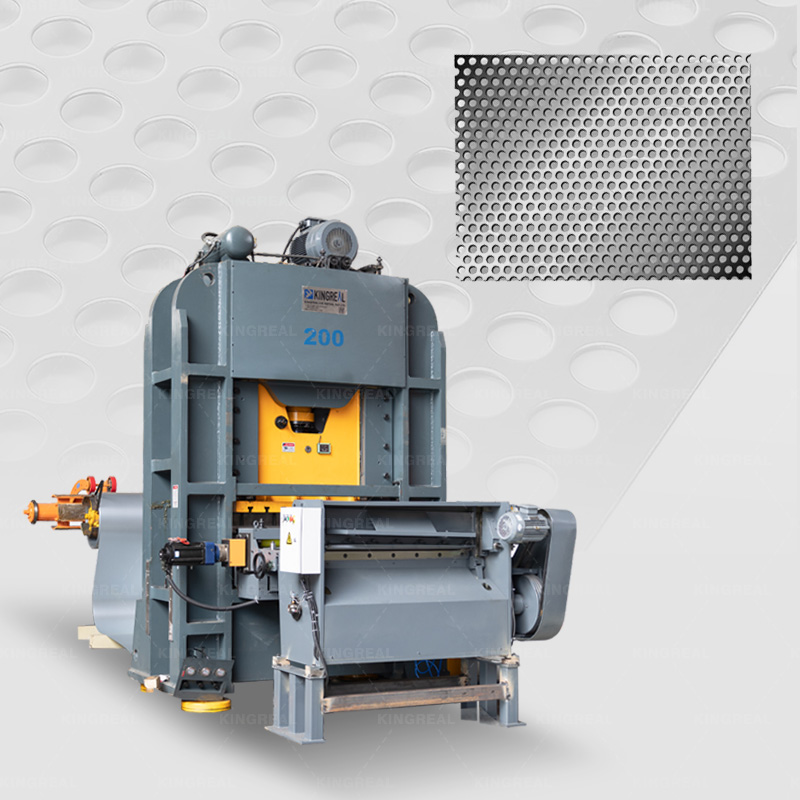 |
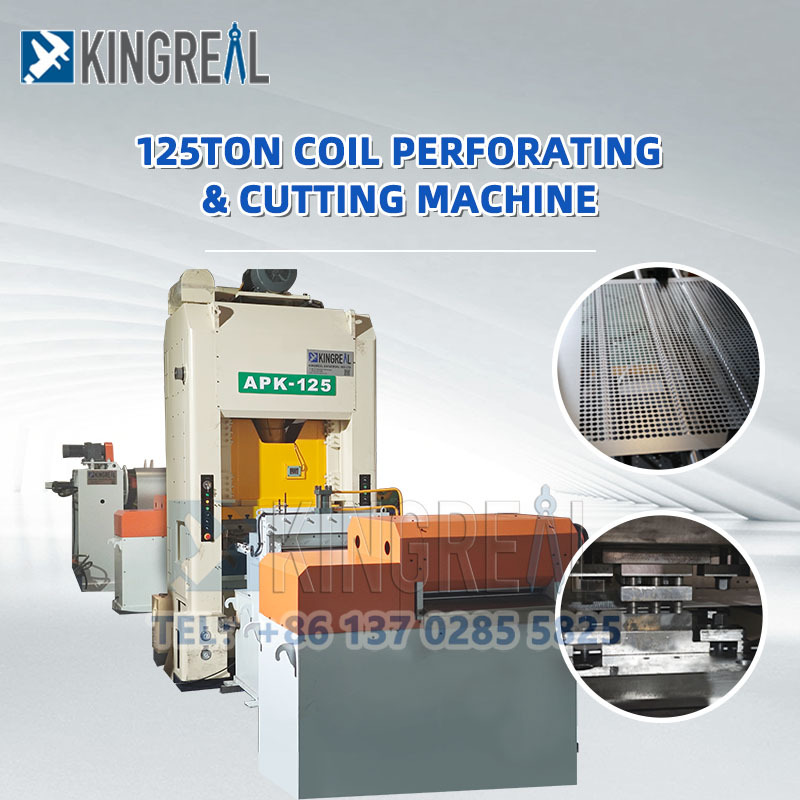
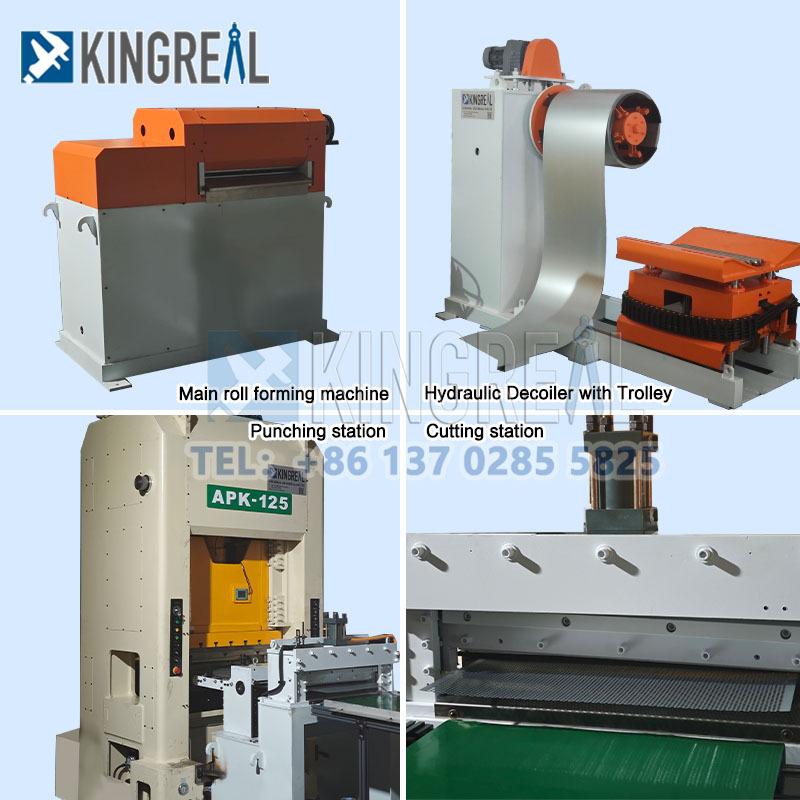
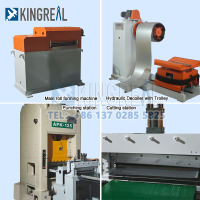
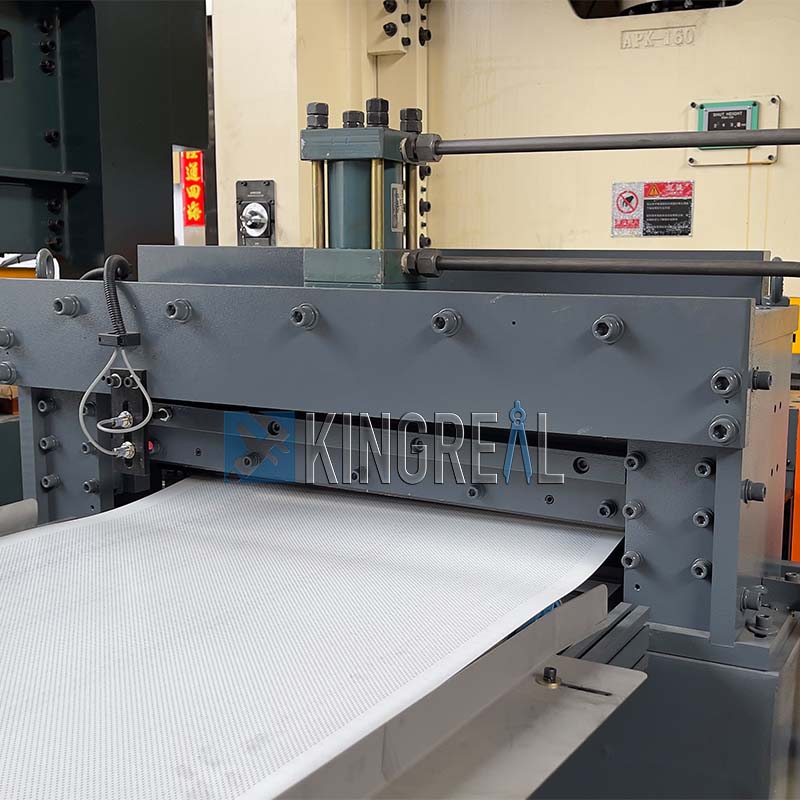
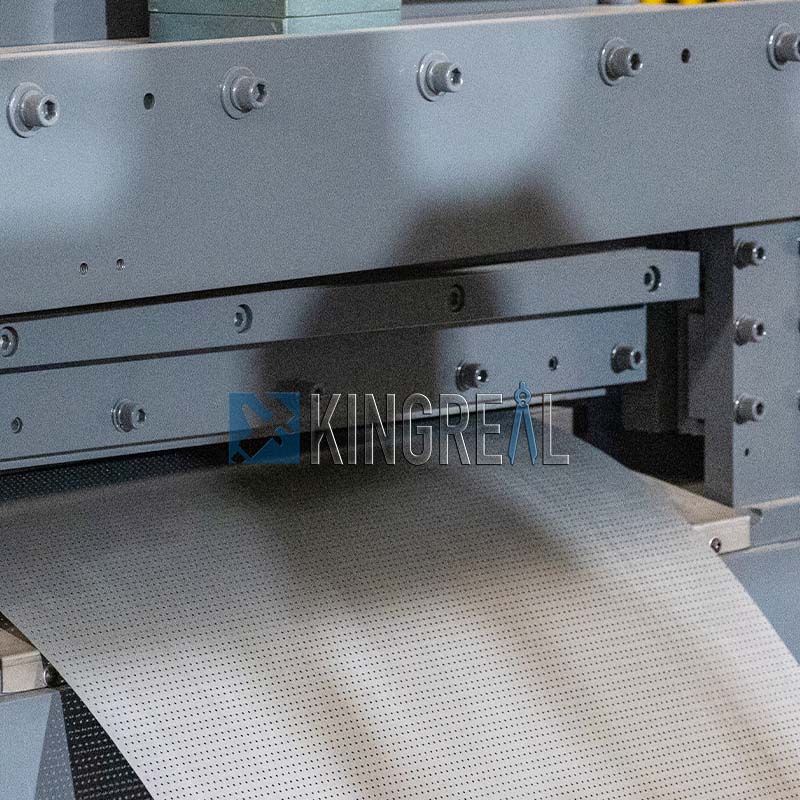
Linea di perforazione da bobina a bobina: La funzione principale della linea di perforazione coil-to-coil KINGREAL è quella di avvolgere le bobine di metallo perforate, garantendo che la superficie metallica non venga graffiata durante il trasporto e lo stoccaggio, e al contempo facilitando le successive lavorazioni secondarie. | Linea di perforazione della lamiera: La macchina per la perforazione e il taglio di metalli è un'altra importante attrezzatura di KINGREAL, specializzata nel taglio preciso di bobine di metallo perforato per soddisfare le esigenze dei clienti in termini di lunghezza del prodotto finito. |
Principio di funzionamento: Il flusso di lavoro della linea di perforazione da bobina a bobina è relativamente semplice ma efficiente. Innanzitutto, lo svolgitore svolge la bobina di metallo e la raddrizza tramite la raddrizzatrice per garantire la planarità del materiale. Successivamente, la punzonatrice esegue la perforazione secondo i parametri preimpostati, realizzando sul materiale la forma e l'apertura del foro desiderate. Infine, il materiale metallico perforato viene avvolto dall'avvolgitore per formare un rotolo che può essere trasportato e immagazzinato. | Principio di funzionamento: Anche il flusso di lavoro della linea di perforazione della lamiera è semplice ed efficiente. Innanzitutto, lo svolgitore svolge la bobina di metallo e la raddrizza tramite la raddrizzatrice. Successivamente, la punzonatrice esegue la punzonatura secondo i parametri preimpostati. Infine, il materiale perforato entra nella stazione di taglio e viene tagliato con precisione in base alla lunghezza impostata dal cliente per formare il prodotto finale. |
Componenti principali: -Svolgitore -Piastra di precisione -Punzonatrice -Avvolgitore
*Avvolgitore: L'avvolgitore riavvolge la bobina di metallo perforato per formare un rotolo ordinato. L'apparecchiatura è progettata con cura per evitare efficacemente graffi o danni alla superficie metallica durante il processo di avvolgimento ed è inoltre comoda per il successivo trasporto. Grazie al flusso di lavoro automatizzato, la linea di perforazione bobina-bobina KINGREAL migliora significativamente l'efficienza produttiva, riduce la necessità di intervento manuale e minimizza gli errori umani. | Componenti principali: Avvolgitore raddrizzatrice di precisione pressa punzonatrice Stazione di taglio
*Stazione di taglio: La stazione di taglio è la parte centrale della linea di perforazione della lamiera, in grado di tagliare con precisione la bobina di metallo perforato secondo la lunghezza preimpostata dal cliente. Questo processo garantisce che le dimensioni di ogni prodotto finito soddisfino i requisiti, facilitando le successive fasi di lavorazione e utilizzo. |
Diverse applicazioni delle linee di perforazione a bobina
Le linee di perforazione della lamiera KINGREAL hanno un'ampia gamma di applicazioni e possono soddisfare le esigenze di diversi settori industriali. Ecco alcuni settori comuni e i relativi prodotti finiti specifici:
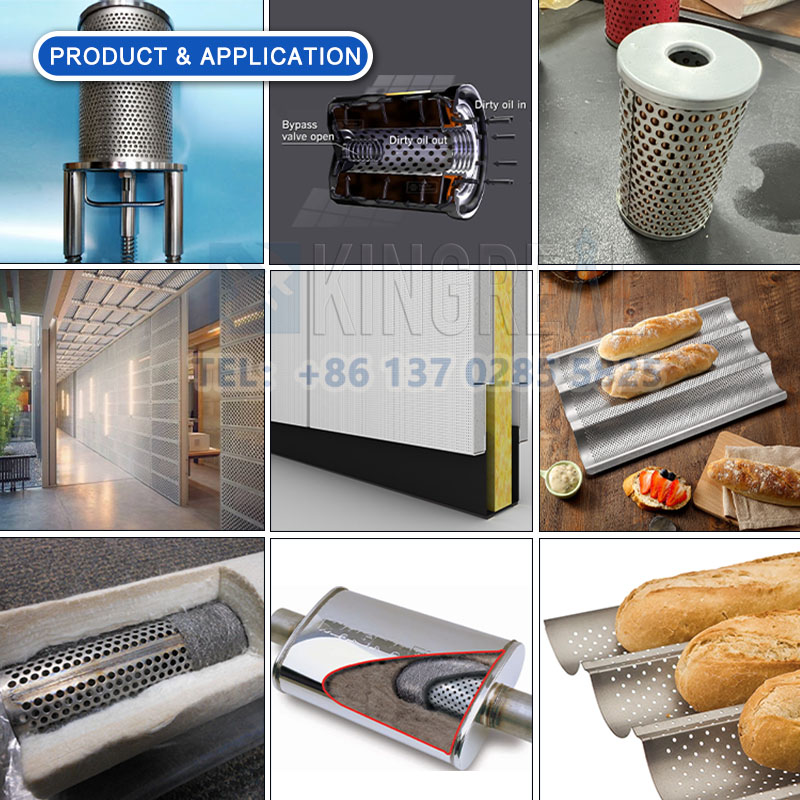
Settore edile: pannelli murali perforati, materiali per divisori
Produzione automobilistica: elementi filtranti perforati, silenziatori
Prodotti elettronici: pannelli perforati, radiatori
Industria degli elettrodomestici: vassoi forati, reti di ventilazione
Settore della protezione ambientale: schermi perforati, apparecchiature per il trattamento delle acque reflue
Che si tratti di una grande azienda o di un piccolo studio, le linee di perforazione della lamiera KINGREAL offrono soluzioni efficienti e affidabili per aiutare i clienti a migliorare la propria capacità produttiva.
Innovazione nella linea di perforazione della lamiera KINGREAL: tecnologia di micropunzonatura.
Per rimanere competitiva nel settore, KINGREAL continua a investire nell'innovazione tecnologica. KINGREAL ha compiuto progressi significativi nella tecnologia di microforatura e ha fornito con successo soluzioni personalizzate ai clienti in Grecia e Marocco.
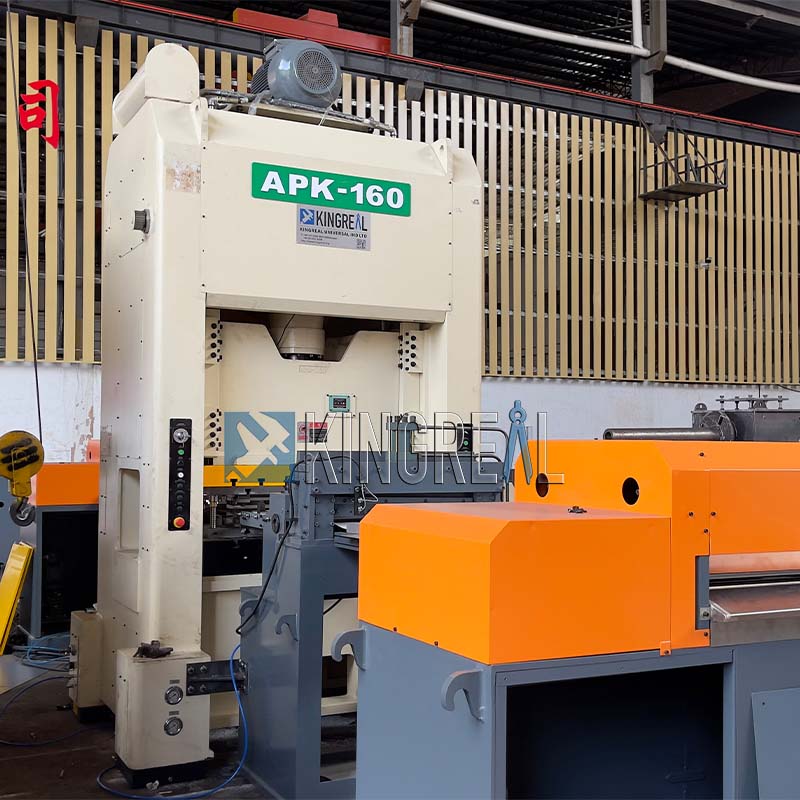 | 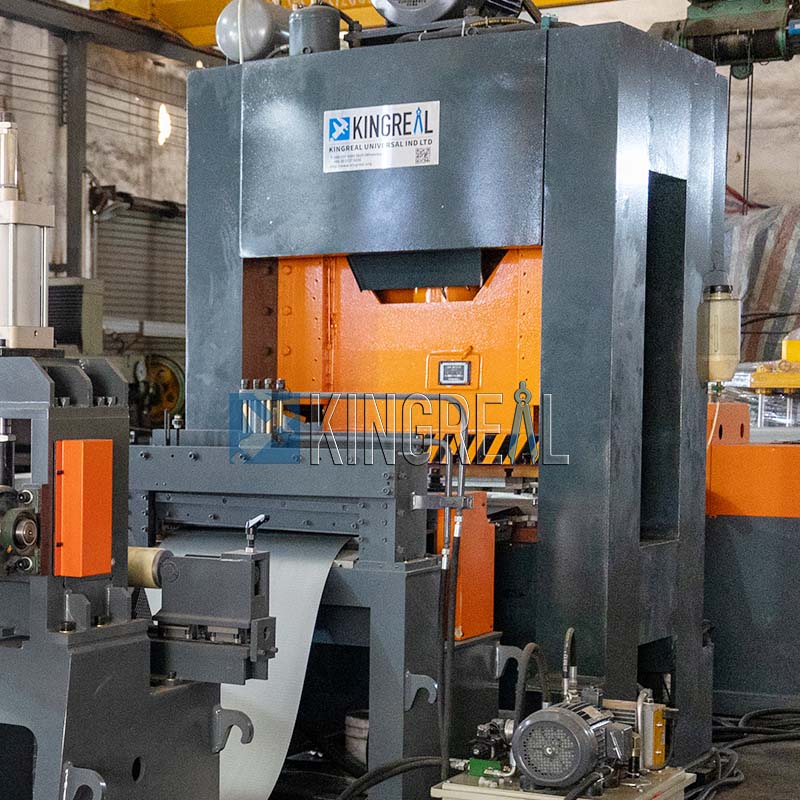 |
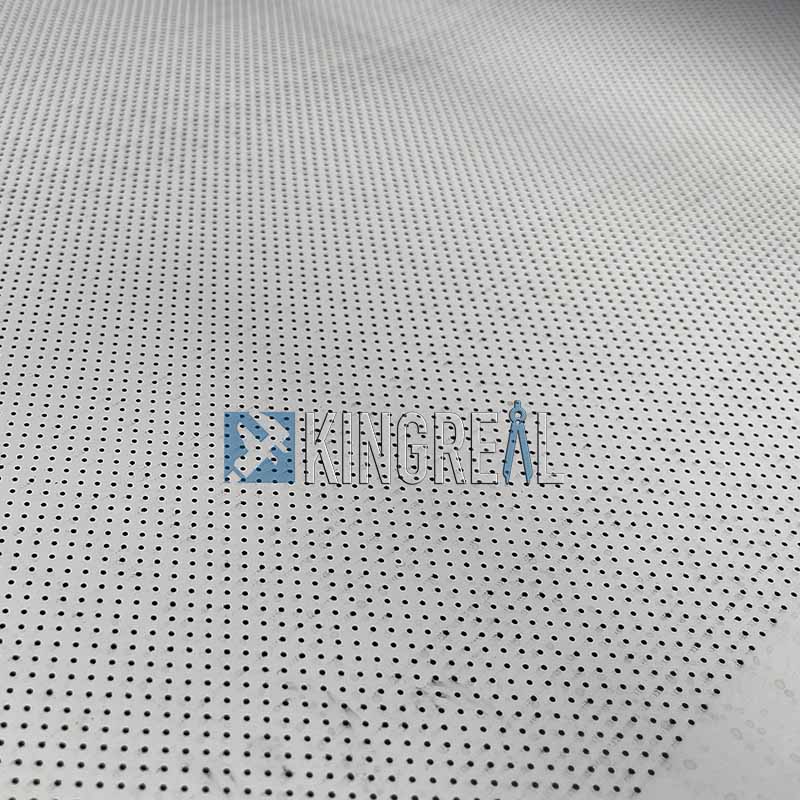
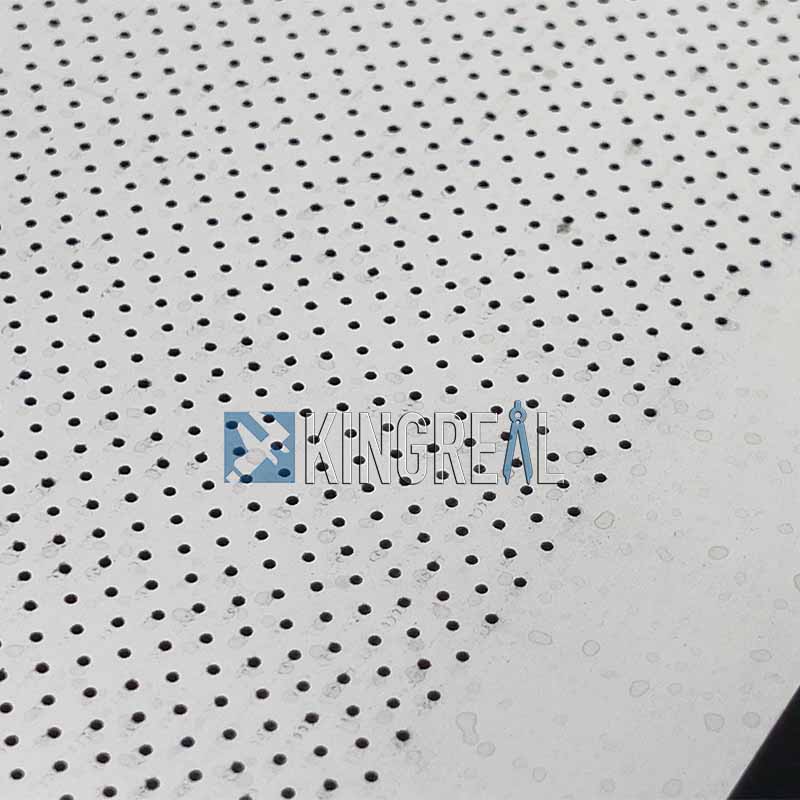
-Caso greco- Per i clienti greci, la linea di perforazione della lamiera KINGREAL è in grado di realizzare microfori con un diametro di soli 1,0 mm. Questa innovazione tecnologica non solo soddisfa l'esigenza di alta precisione dei clienti, ma dimostra anche la solida competenza di KINGREAL nel campo della micro-punzonatura. | -Caso marocchino- Per i clienti marocchini, la linea di perforazione della lamiera KINGREAL è in grado di realizzare microfori con un diametro di 1,5 mm. Questa tecnologia presenta tuttavia notevoli sfide, poiché i microfori impongono requisiti estremamente elevati per la produzione di matrici di punzonatura. |
*Analisi della difficoltà tecnica
La difficoltà di produzione dei microfori risiede principalmente nella progettazione e nella lavorazione degli stampi per punzonatura. I diametri dei fori comunemente presenti sul mercato sono di 1,8 mm e 2,5 mm, ma KINGREAL è riuscita a sviluppare fori con diametri ancora più piccoli, grazie all'impegno costante e al pensiero innovativo dei suoi ingegneri. Durante il processo di ricerca e sviluppo, gli ingegneri KINGREAL hanno innanzitutto condotto un'analisi approfondita degli stampi per punzonatura esistenti per comprenderne i limiti nella produzione di microfori. Successivamente, attraverso l'ottimizzazione della selezione dei materiali, della progettazione degli stampi e della tecnologia di lavorazione, è stata finalmente raggiunta la produzione di stampi per micropunzonatura di successo.
*Progettazione e processo di produzione di matrici per micro-punzonatura:
1. Progettazione dello stampo per punzonatura
I requisiti di progettazione per i microfori sono molto stringenti, soprattutto in termini di diametro e spaziatura. Gli ingegneri di KINGREAL necessitano di:
Calcolo accurato: la dimensione dei microfori è molto precisa, solitamente pari o inferiore a 1,0 mm, e qualsiasi minima deviazione può comportare la non conformità del prodotto.
Geometria complessa: oltre ai fori circolari standard, le matrici per micropunzonatura devono essere in grado di supportare fori di varie forme, il che impone elevate esigenze in termini di complessità progettuale della matrice.
Resistenza dello stampo: gli stampi per microfori sono sottoposti a forti pressioni durante il processo di stampaggio, pertanto è fondamentale garantire la resistenza e la resistenza all'usura del materiale dello stampo per prevenire deformazioni o danni durante il processo produttivo.
2. Selezione dei materiali
La scelta dei materiali influisce direttamente sulle prestazioni e sulla durata dello stampo. Per gli stampi per micropunzonatura, la selezione del materiale deve tenere conto di:
Materiali ad alta durezza: per garantire che lo stampo non si deformi ad alte temperature e pressioni, si utilizzano solitamente acciai altolegati o altri materiali ad alta durezza.
Resistenza alla corrosione: durante il processo di punzonatura, la generazione di olio lubrificante e trucioli metallici può causare la corrosione dello stampo, pertanto il materiale deve possedere una buona resistenza alla corrosione.
Lavorabilità: Gli stampi per microfori sono difficili da lavorare e la lavorabilità del materiale influisce direttamente sull'efficienza produttiva e sulla precisione dello stampo.
3. Tecnologia di elaborazione
La tecnologia di lavorazione dei microfori è fondamentale per ottenere una punzonatura di alta precisione e si trova ad affrontare principalmente le seguenti sfide:
Tecnologia di lavorazione di precisione: sono necessarie attrezzature di lavorazione ad alta precisione, come macchine utensili a controllo numerico (CNC), taglio laser, ecc., per garantire che le dimensioni e la forma dello stampo soddisfino i requisiti di progettazione.
Fasi di lavorazione complesse: la produzione di stampi per microfori solitamente prevede molteplici processi, tra cui taglio, molatura, trattamento termico, ecc., e qualsiasi errore in una qualsiasi di queste fasi può causare difetti nel prodotto finale.
Elevati requisiti tecnici: gli operatori devono possedere una vasta esperienza e competenza per controllare efficacemente il processo e garantire la precisione e le prestazioni dello stampo.
4. Controllo qualità
Nel processo di produzione degli stampi per microfori, il controllo qualità è fondamentale e si riflette principalmente in:
Standard di collaudo rigorosi: ogni stampo deve essere sottoposto a rigorosi test di dimensioni e forma per garantire che soddisfi le specifiche di progettazione.
Meccanismo di feedback: raccolta e analisi tempestiva dei dati durante il processo di produzione per apportare modifiche in tempo reale allo stampo e garantire la stabilità e la coerenza della produzione.
Esperienza di progetto nella linea di perforazione della lamiera
Grazie ai progetti di linee di perforazione della lamiera, KINGREAL ha instaurato solide e durature collaborazioni con clienti in numerosi paesi, tra cui Marocco, Brasile, Grecia e Bangladesh. In questo contesto, il team di KINGREAL ha maturato una vasta esperienza sia nella progettazione che nella produzione di linee di perforazione della lamiera.
KINGREAL offre ai clienti servizi completi e integrati che coprono l'intero ciclo di vita del progetto. Questi includono visite guidate in fabbrica, lo sviluppo di soluzioni personalizzate per linee di perforazione della lamiera, la produzione di linee di perforazione della lamiera, i test di accettazione in fabbrica, l'installazione e la messa in servizio in loco, la formazione degli operatori, nonché un supporto continuo come la fornitura di pezzi di ricambio e la manutenzione delle linee di perforazione della lamiera.